首页
组织概况
组织简介
主要职责
中国红十字会名誉会长
领导机构
机构设置
联系方式
时政要闻
业务工作
应急救援
应急救护
人道救助
造血干细胞捐献
遗体和人体器官捐献
无偿献血
国际和港澳台交流合作
红十字志愿服务与青少年工作
信息公开
公告通知
理事会工作
规章制度
财务公开
冠名机构
学习平台
法律政策
业务知识
红十字运动知识
生命健康
网上书屋
网上展馆
我要参与
红十字会员
红十字志愿者
造血干细胞捐献
遗体和人体器官捐献
无偿献血
应急救护培训
我要求助
捐赠
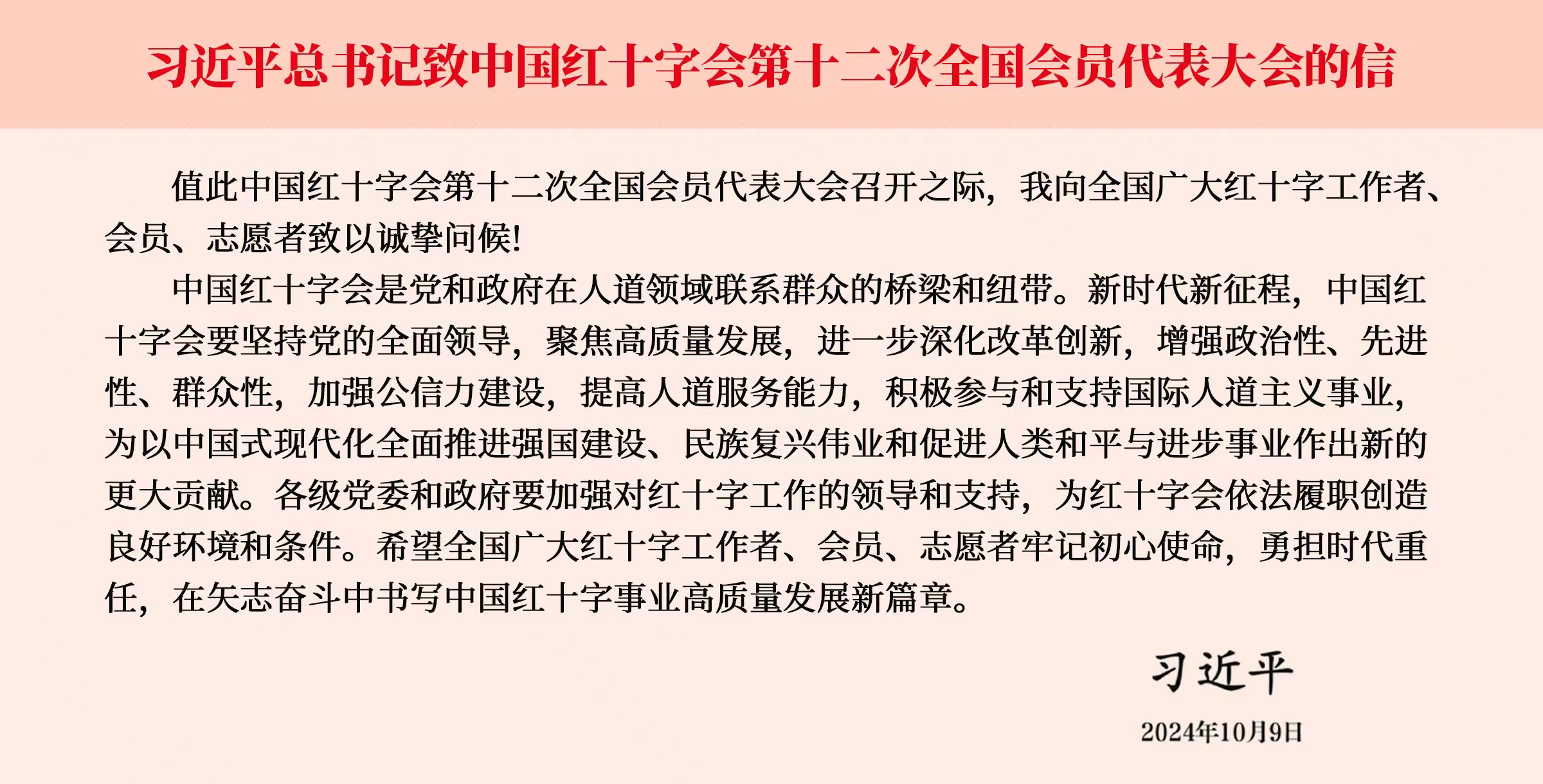
习近平致中国红十字会第十二次全国会员代表大会的信
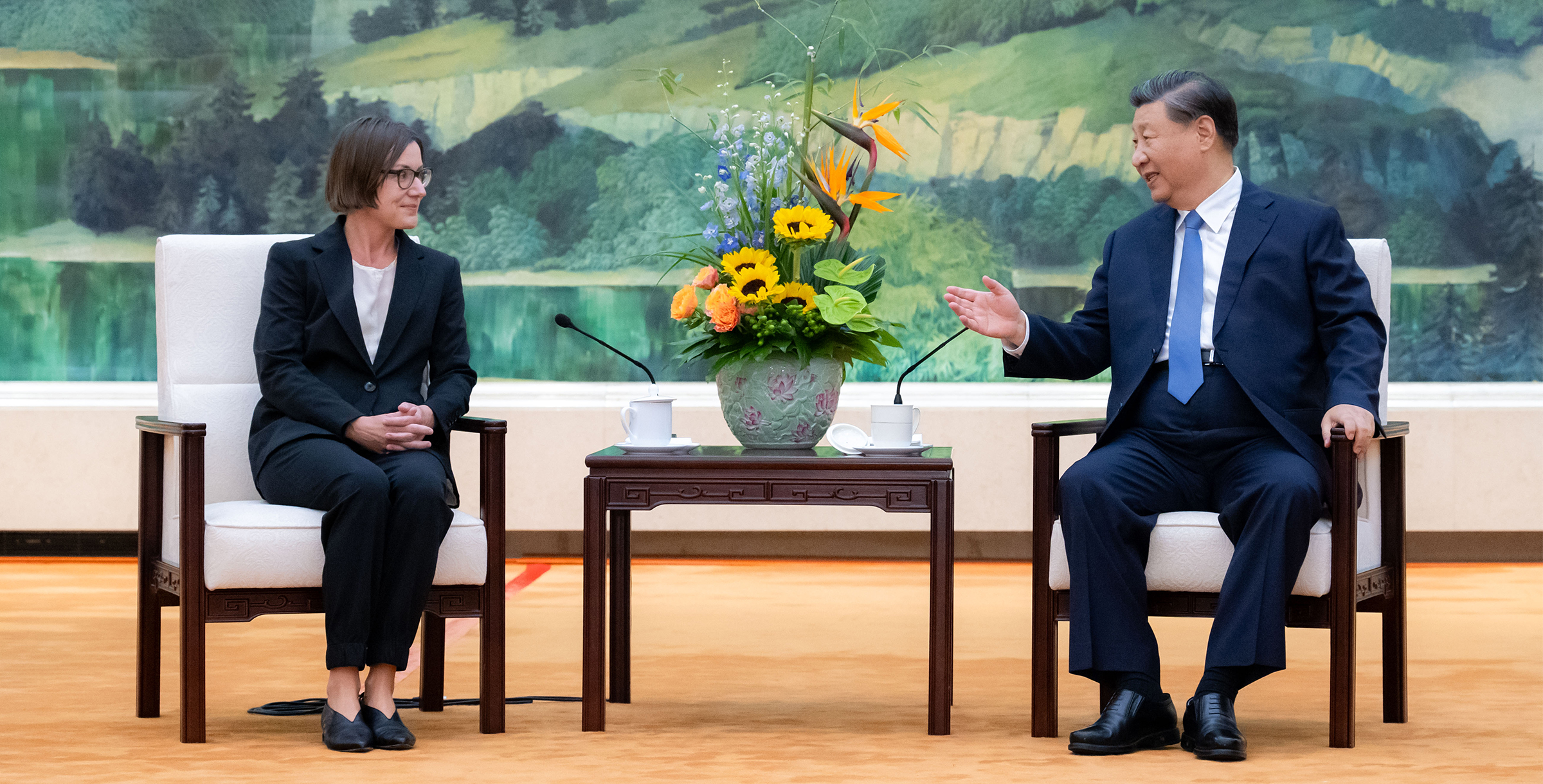
习近平会见红十字国际委员会主席斯波利亚里茨
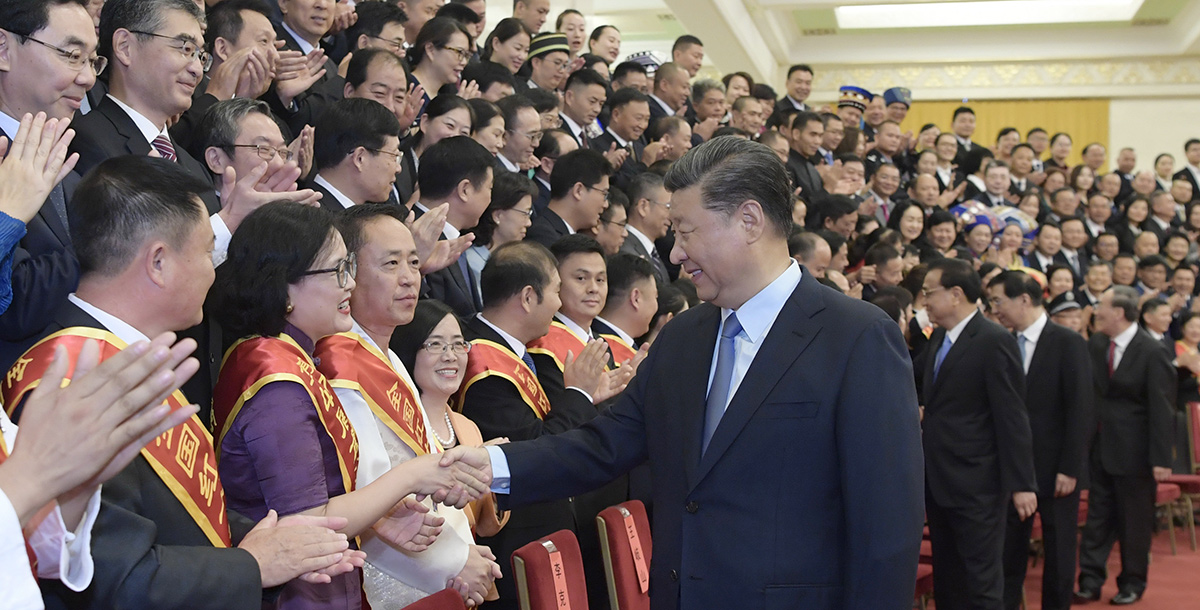
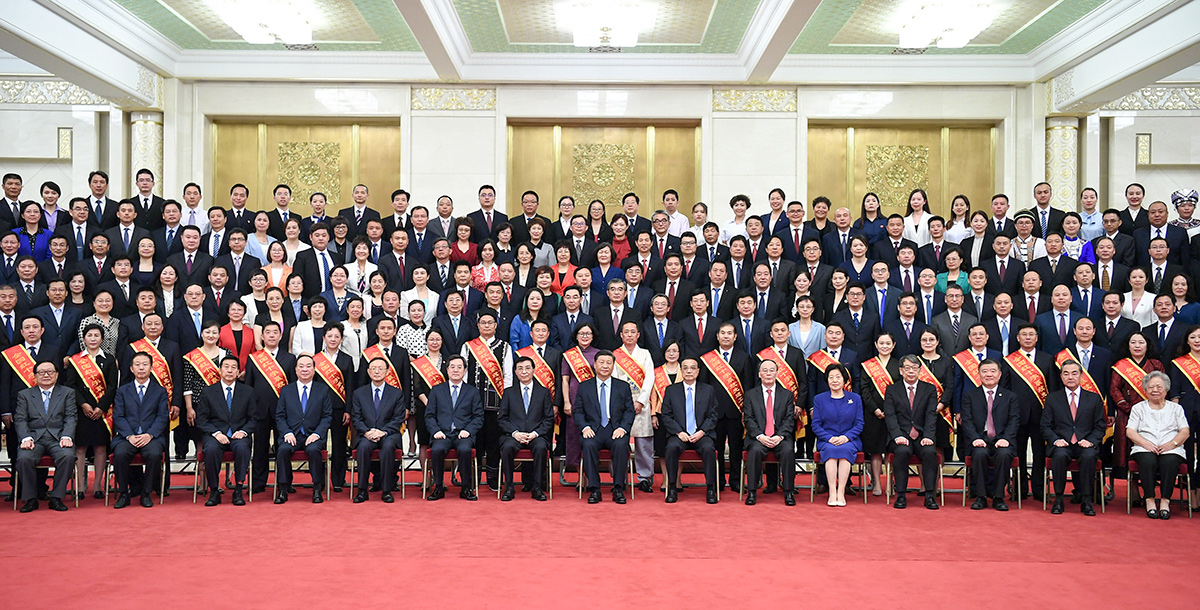
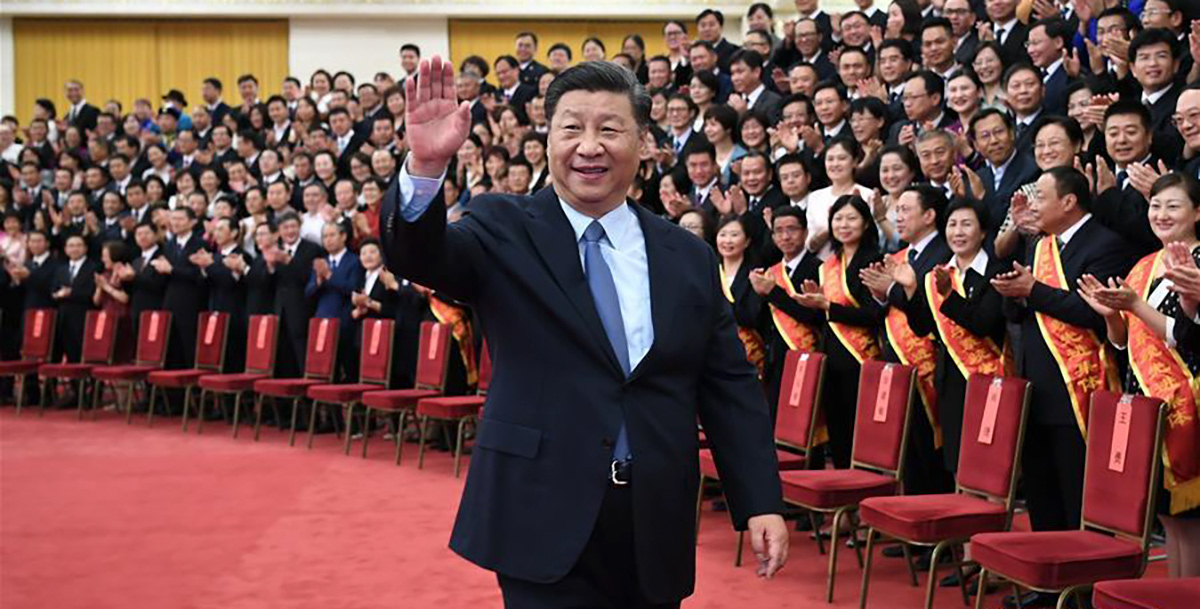
习近平会见中国红十字会第十一次全国会员代表大会代表 李克强王沪宁王岐山参加会见
习近平会见中国红十字会第十一次全国会员代表大会代表 李克强王沪宁王岐山参加会见
习近平会见中国红十字会第十一次全国会员代表大会代表 李克强王沪宁王岐山参加会见
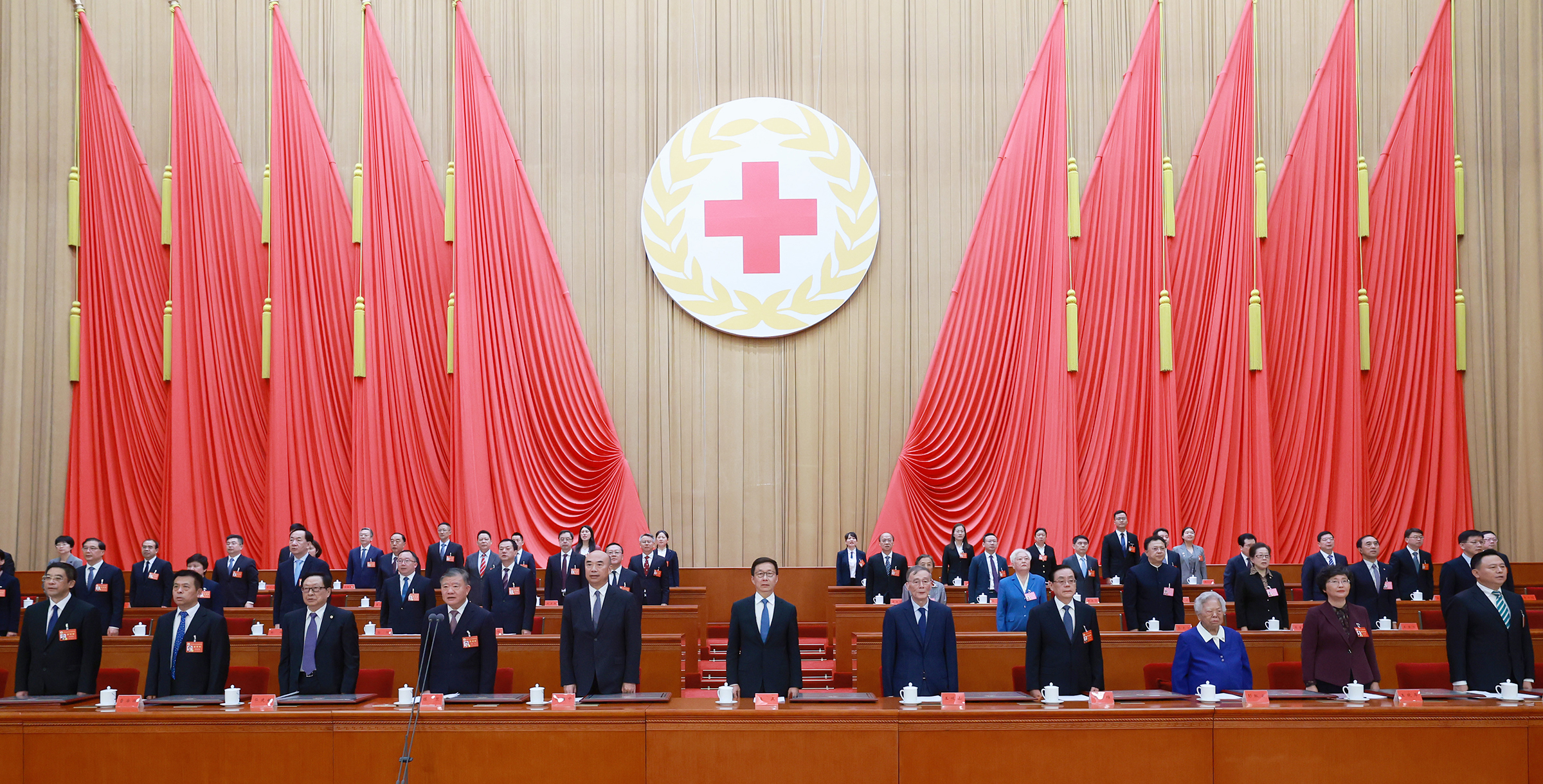
中国红十字会第十二次全国会员代表大会在京开幕
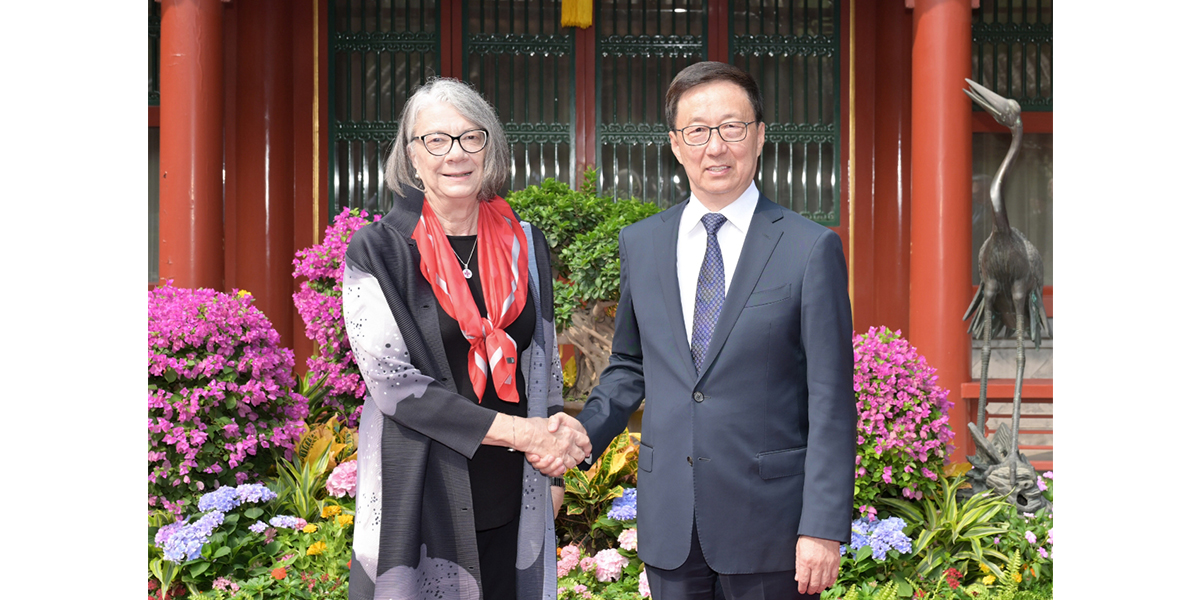
韩正会见红十字会与红新月会国际联合会主席福布斯
习近平致信中国红十字会第十二次全国会员代表大会
习近平致中国红十字会第十二次全国会员代表大会的信
中国红十字会第十二次全国会员代表大会在京开幕
习近平出席金正恩举行的欢送仪式
习近平夫妇出席金正恩夫妇举行的小范围午宴
习近平同格鲁吉亚总统卡韦拉什维利就中格建交34周年
互致贺电并共同宣布将双边关系提升为全面战略伙伴关系
更多>>
工作动态
志愿聚力 亚太行动 —— 2026红十字与红新月亚太志愿服务研讨会在海...
何维在西藏调研红十字会工作并座谈
全国红十字系统无偿献血工作推进会在西安召开
边晓参加吉林省红十字基金会成立大会并开展工作调研
中国红十字会总会开展山西长治沁源县煤矿事故人道救助
中国红十字会总会紧急向黑龙江省调拨救灾物资
更多
信息公开
中国红十字会总会机关服务中心招聘公告
中国红十字会总会关于公布全国红十字志愿服务先进典型名单的通知
关于全国红十字志愿服务先进典型拟推选对象的公示
中国红十字会总会2021年度考试录用机关工作人员面试递补公告
中国红十字会总会2021年度考试录用机关工作人员面试公告
中国红十字会总会关于表彰全国红十字模范单位的决定
更多
应急救援
中国红十字会总会紧急向黑龙江省调拨救灾...
四年,那抹“橙”绘出一道亮丽风景
闻“汛”而动 “ 救”在身边
人人讲安全 个个会应急 各地红十字会积...
上下联动 风雨同舟
中国红十字会总会紧急向湖南洪涝灾区追加...
更多
应急救护
女生校内心脏骤停 三名老师接力施救
打卡集章解锁公益之旅
百岁老人中暑,松阳急救侠高效施救
救在身边 守护校园
重庆红会召开红十字医疗卫生机构工作会
河南红会拟新建500所博爱校医室
更多
人道救助
南昌红会“敞亮计划”守护学生视力健康
用营养守护梦想
博爱满申城 服务暖人心
同心聚力 守护人道 各地红十字会积极组...
中国红十字会总会开展山西长治沁源县煤矿...
京津冀“彩虹计划”举行心愿礼物发放仪式
更多
造血干细胞捐献
湘髓相依 爱伴重生
“没想到我也成了被羡慕的人”
恩施州“三献”科普宣传进高校
从“旁观者”到“亲历者”
中华骨髓库造血干细胞捐献突破23000例
天津造血干细胞捐献者纳入惠民体系
更多
遗体和人体器官捐献
她成了我最珍贵的“女儿”
孝感推出器官捐献者家属优待服务
她把最后的温暖留给世间
大爱有回音 关怀零距离
包头九原区慰问遗体器官捐献者家庭
“辽宁好人”向高校捐赠纪念杯
更多
无偿献血
内蒙古举办高校无偿献血宣传动员会
广水红会开展“三献”志愿服务活动
全国红十字系统无偿献血工作推进会在西安...
北京石景山区无偿献血宣传进街道
北京开展“无偿献血”志愿服务月活动
呼和浩特召开无偿献血工作部署会
更多
红十字志愿服务与青少年工作
博爱星睦邻 健康到乡村
北京红会开展“彩虹计划”主题宣传活动
山西红会开展“三献”公益科普宣传活动
山东举办志愿服务项目品牌培优训练营
上海大学生国际人道问题辩论活动落幕
播下爱的种子 孕育满城春天
更多
国际和港澳台交流合作
志愿聚力 亚太行动 —— 2026红十字与红新月亚太志...
中国红十字会(甘肃)援布基纳法索医疗队工作总结座...
中国红十字会成功举办紧急情况下重建家庭联系培训班
梁宇赴内蒙古自治区出席“一带一路·光明行”蒙古国...
柳拯会见红十字会与红新月会国际联合会亚太区域办公...
中国红十字会响应红十字会与红新月会国际联合会伊朗...
更多
我要求助
网上书屋
业务系统
聚焦
央视新闻客户端:中国红十字会总会向湖北、广西调拨物资
新华社客户端:中国红十字会总会向湖北调拨救灾物资
经济日报新闻客户端:中国红十字会总会紧急向广西柳州地震...
工人日报客户端:中国红十字会总会紧急向广西柳州地震灾区...
中国青年报客户端:中国红十字会总会紧急向广西柳州地震灾...
央视新闻客户端:中国红十字会总会紧急向广西受灾地区调运...
新华社客户端:中国红十字会总会紧急向广西柳州地震灾区调...
央视新闻客户端:中国红十字会总会向贵州受灾地区调运物资
更多
视频
图片
习近平在朝鲜媒体发表署名文章
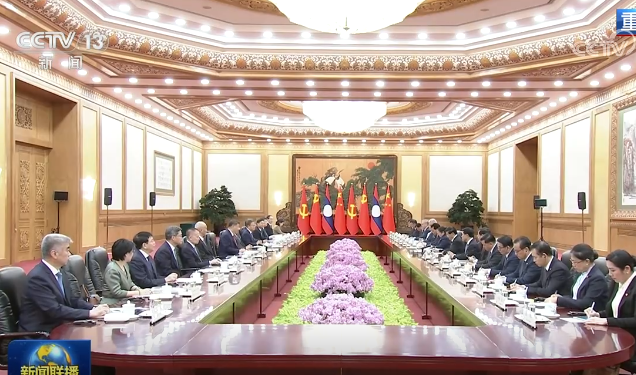
习近平同老挝人民革命党中央总书...
更多
迎接光明
“三献”宣讲
更多
内部邮箱
010-84025890
返回顶部
收起



























 我要求助
我要求助 网上书屋
网上书屋 业务系统
业务系统